An Italian Candy Box in the Shape of an Iron Among the Exhibits at Plovdiv’s Iron Museum
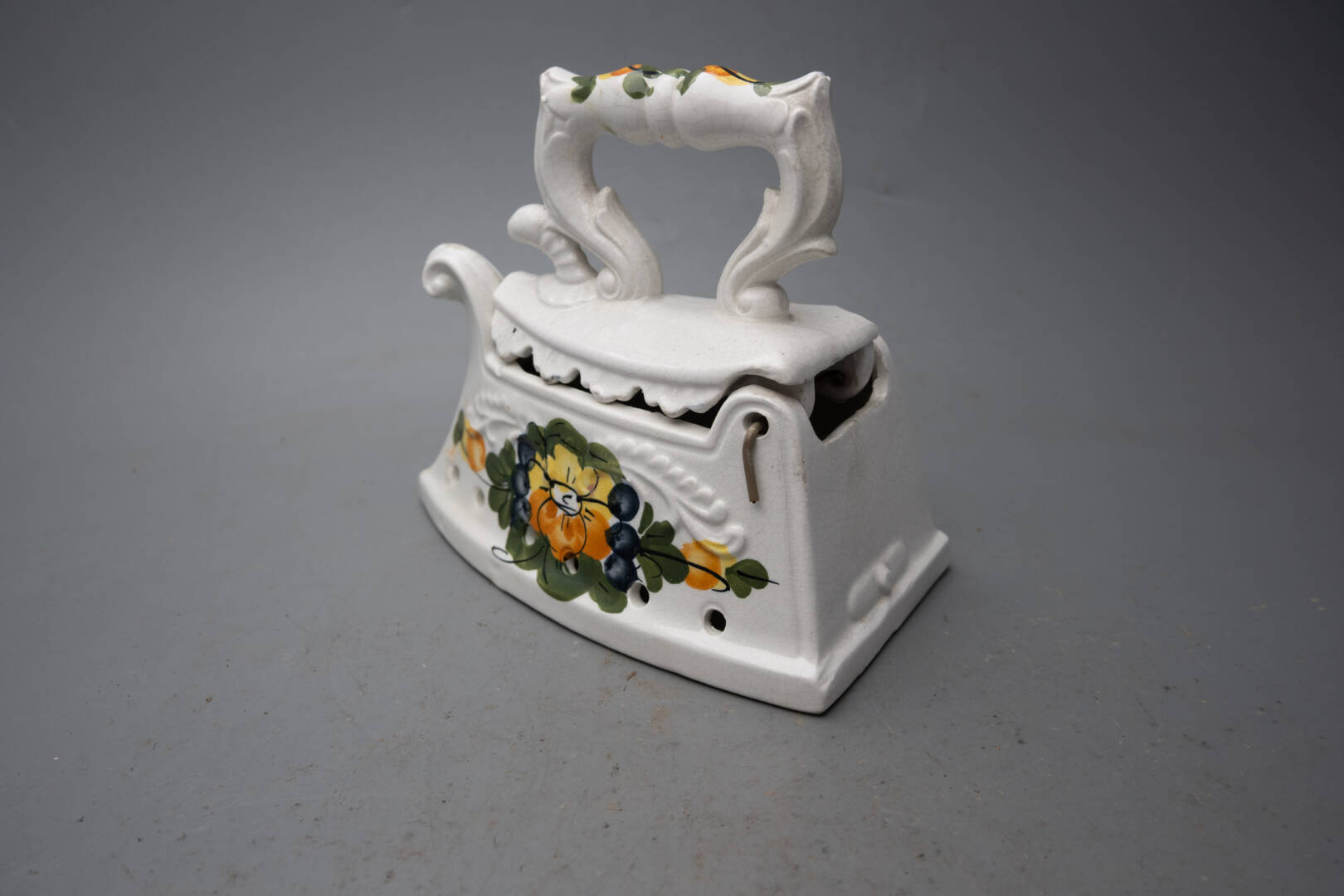
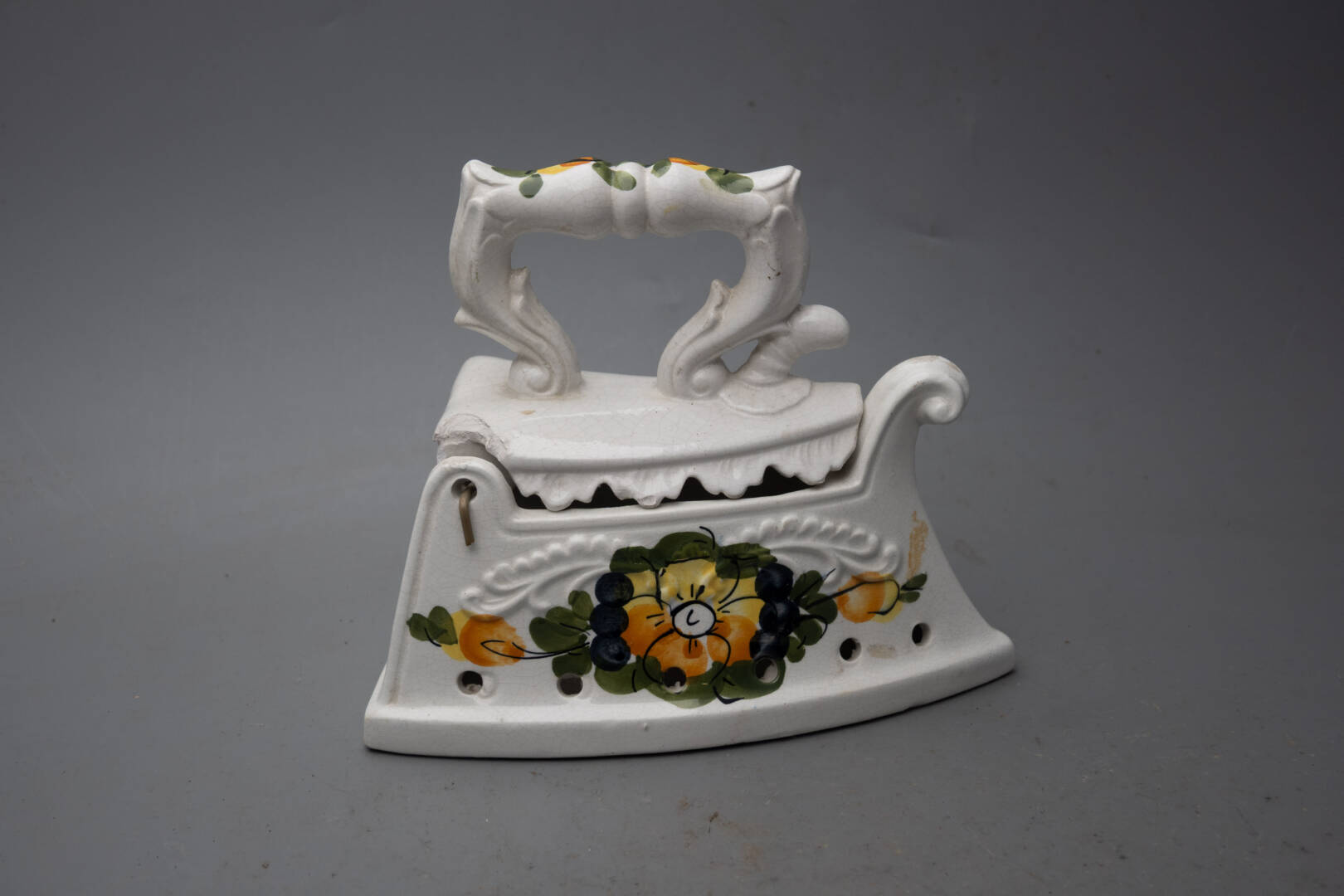
A decorative ceramic iron-shaped candy box, produced in Italy in the second half of the 20th century, is being displayed for the first time as part of the permanent exhibition “The World of the Iron.” The object is part of a donation received by the Regional Ethnographic Museum – Plovdiv from Mariana Ledzheva. Her personal collection also included several other ceramic vessels, which have now become part of the museum’s collection.
Until the end of October, visitors can see the iron-shaped candy box at the museum’s branch at 20 Saborna Street. The initiative is part of the museum’s “Object in Focus” series, which highlights individual objects from its collections and explores their history, purpose, and distinctive features.
The ceramic iron-shaped candy box is an intriguing example of Italian decorative art from the 1960s and 1970s. It was produced in Bassano del Grappa, a city renowned for its centuries-old ceramic traditions, dating back more than 300 years.
The object is also connected with the history of the Italian confectionery company Pallarini. The joint idea of the ceramic manufacturers and the confectionery company was to create a luxurious festive box for chocolates. Initially, the candy box was intended as a gift for various celebrations, but it later became a household object, used as a storage container.
The production of the ceramic iron involved several stages. The clay was cast in plaster moulds, in which the body and lid were formed. The pieces were then fired at a temperature of approximately 1,000°C, after which they were covered with an opaque white glaze. The artisans painted floral motifs onto the glazed surface, and during the second firing, the colours were fixed and acquired their finished appearance.
The ceramic iron-shaped candy box combines traditional Italian ceramics with decorative art, transforming an apparently ordinary household object into an unusual and memorable form of candy box.