More Than 30 Scholars Discussed the Transformations of Bulgarian Villages and Cities
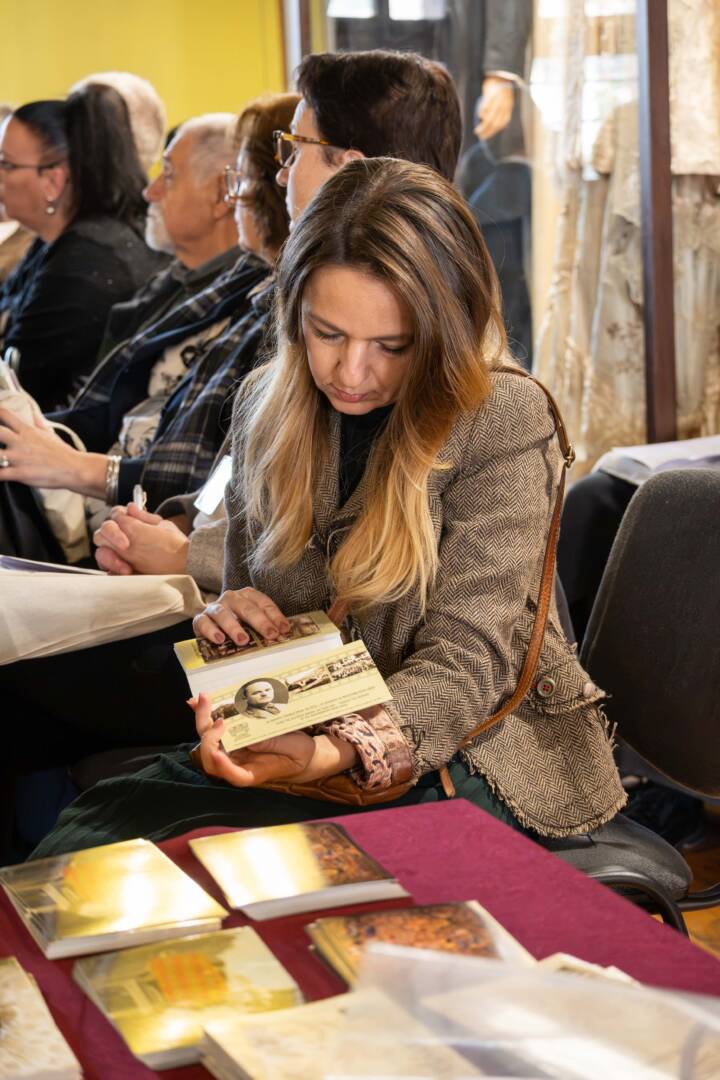
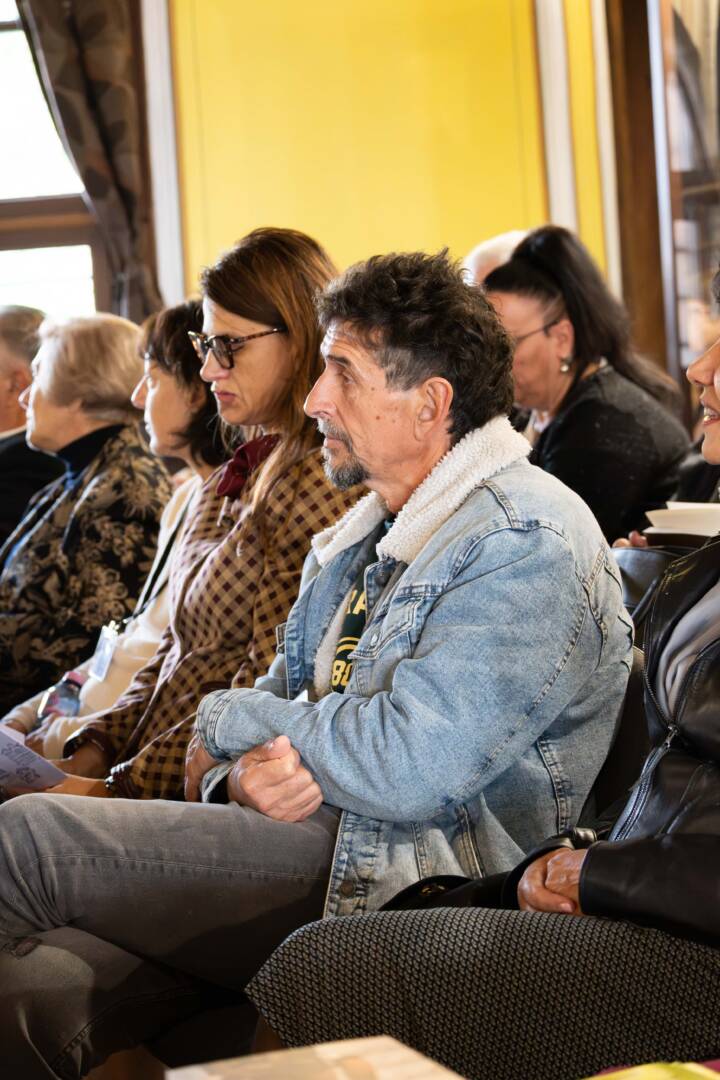
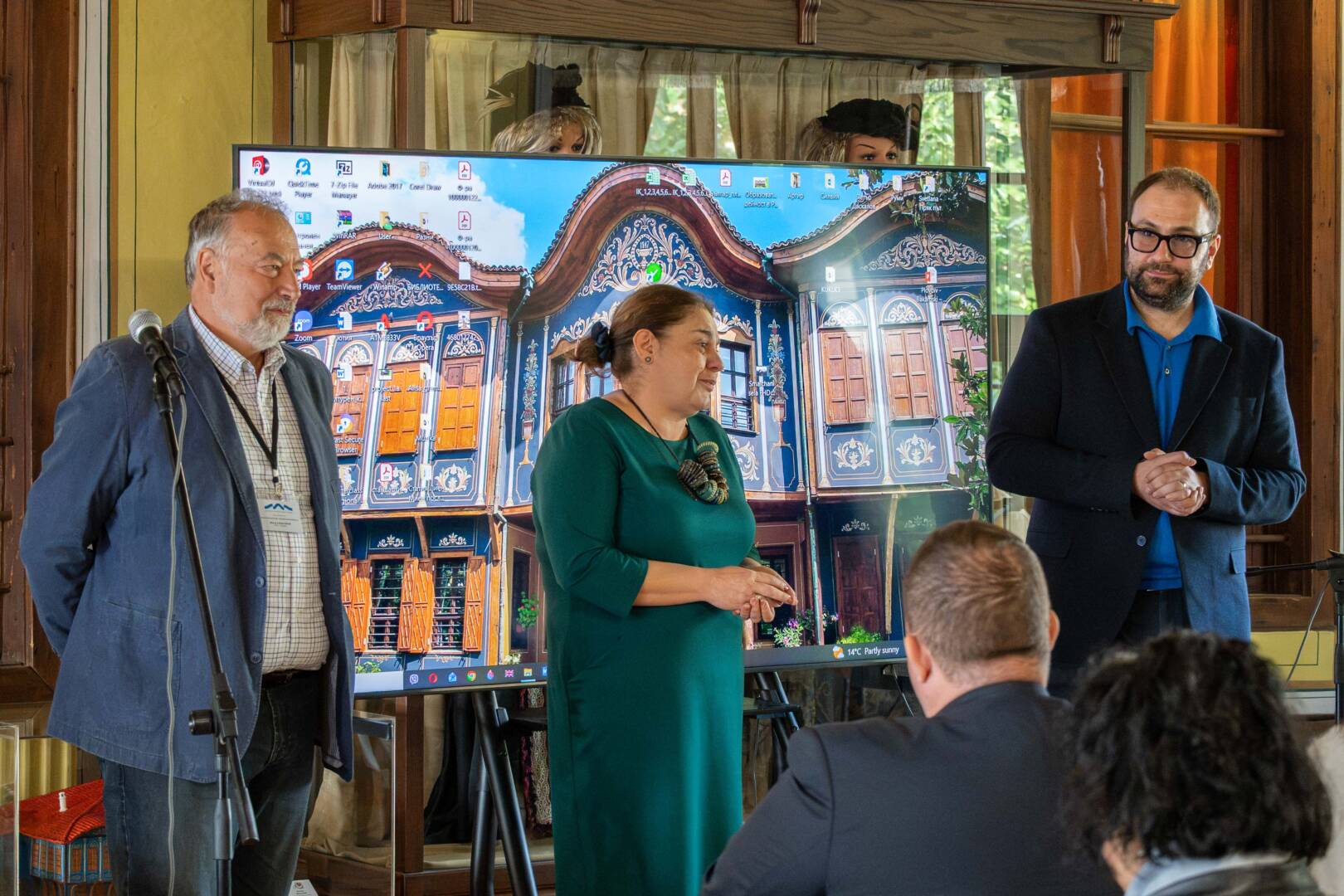
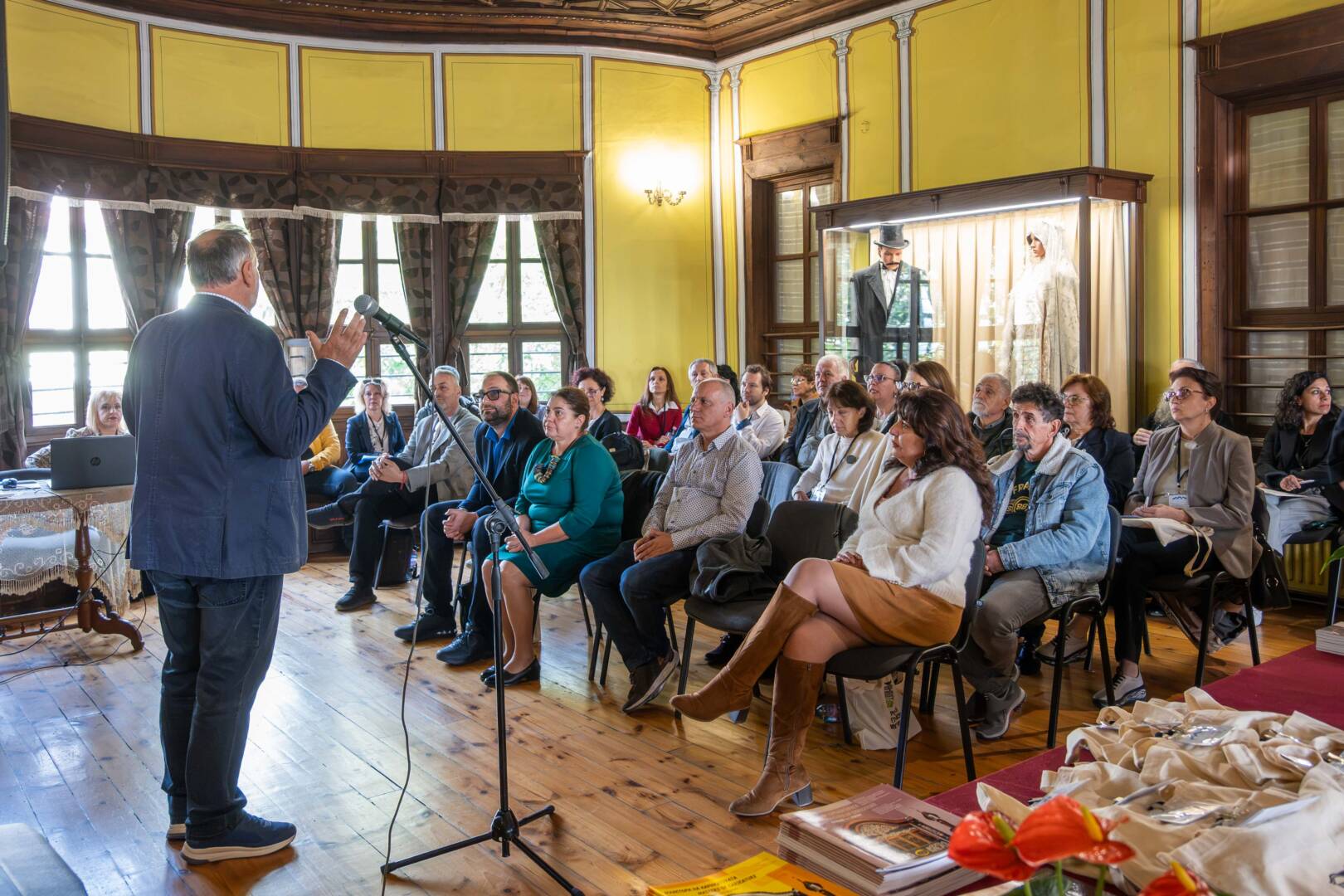
On 22 and 23 October 2026, the Regional Ethnographic Museum – Plovdiv hosted the two-day scientific conference “The Bulgarian Village and City – Transformations Over Time”. The forum brought together more than 30 scholars, museum professionals, researchers and university lecturers from various scientific and cultural institutions across the country to discuss changes in the character and life of Bulgarian villages and cities throughout different historical periods and their impact on cultural heritage.
Six thematic sessions featured papers exploring the interactions between rural and urban communities, material and economic culture, festivals and rituals, social communities and identities, as well as art, music and cultural memory. The diversity of topics highlighted the broad scope of ethnographic research and created opportunities for professional dialogue, the exchange of knowledge and the discussion of new research perspectives.
The importance of the conference theme for the study and preservation of Bulgarian cultural heritage was also emphasised in a congratulatory address from Evтим Милошев, Minister of Culture of the Republic of Bulgaria. The address expressed confidence that scientific dialogue and the exchange of research ideas would contribute to a deeper understanding of cultural processes in Bulgaria and create new opportunities for cooperation between museum professionals and the academic community.
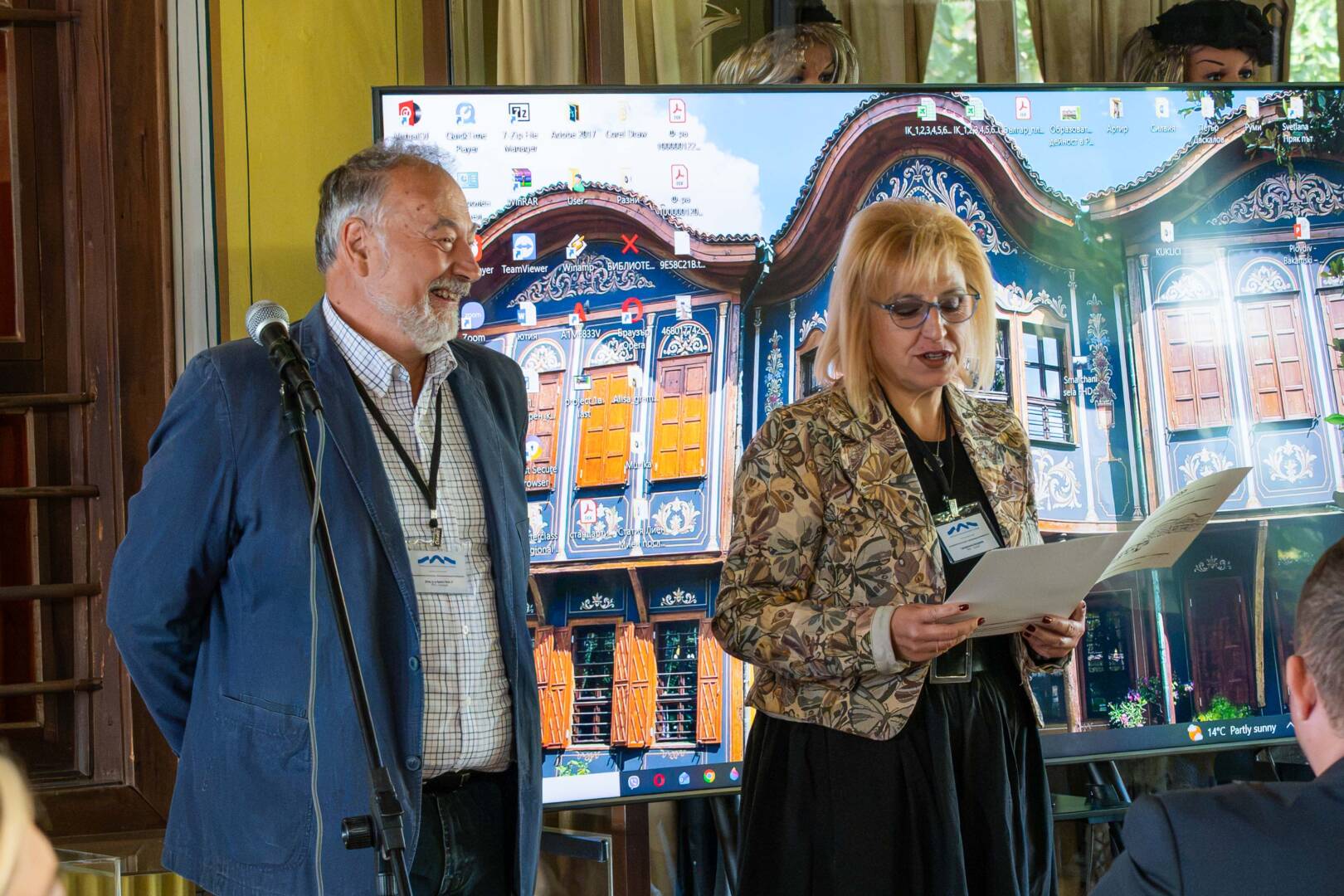
Amelia Gesheva, Executive Director of the Bulgarian Museums Association, highlighted the potential for translating research ideas into concrete cultural initiatives. She cited Plovdiv as a positive example of cooperation between local authorities and cultural institutions in their efforts to preserve and promote cultural heritage.
“The conference theme and programme provide an excellent starting point for putting many new and successful projects into practice—projects that the cultural sector in Bulgaria needs,” Amelia Gesheva stated, expressing confidence in the participating experts’ ability to help bring such initiatives to fruition.
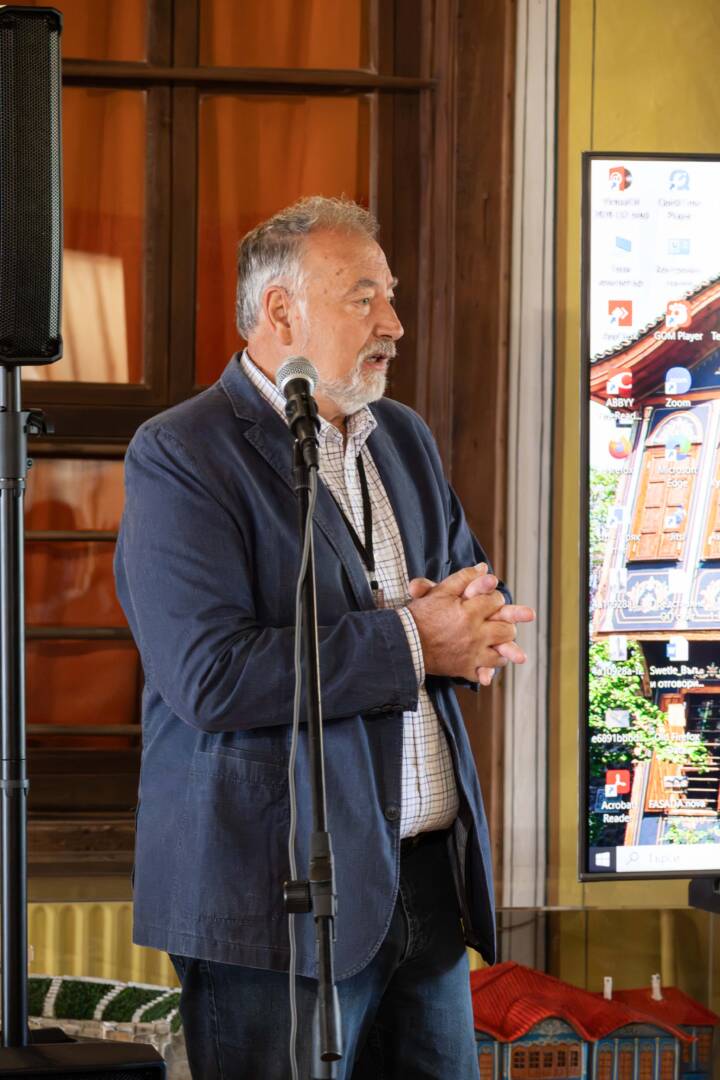
Support from the local authorities for the development of museum activities was also highlighted by Plovdiv Deputy Mayor Plamen Panov during the official opening of the conference. He emphasised the active role of the Regional Ethnographic Museum in the city’s cultural life and noted that investments in the development of the museum’s facilities had amounted to nearly half a million euros.
Summing up the scientific forum, the museum’s director, Assoc. Prof. Dr Angel Yankov, described the conference as a great success and emphasised the importance of the research presented for the future development of Bulgarian ethnography.
“The papers presented at the conference will be published in the ninth volume of the Regional Ethnographic Museum – Plovdiv’s annual journal. The topics and discussions opened up numerous opportunities for new discoveries, in-depth studies and future research in Bulgarian ethnography,” said Assoc. Prof. Dr Angel Yankov.
By hosting the conference, the Regional Ethnographic Museum – Plovdiv reaffirmed its role as a platform for scientific dialogue and cooperation between museum professionals, researchers and the academic community. The forum demonstrated the importance of an interdisciplinary approach to studying the cultural processes that shape life in Bulgarian villages and cities, while highlighting the need for joint efforts to preserve, study and promote the country’s cultural heritage.
The Regional Ethnographic Museum – Plovdiv extends its gratitude to all participants, partners and institutions for their contribution to the successful organisation of the scientific forum. The museum is confident that the ideas and research findings shared during the conference will inspire further scientific and cultural initiatives.